 |
|
World |
India |
Delhi 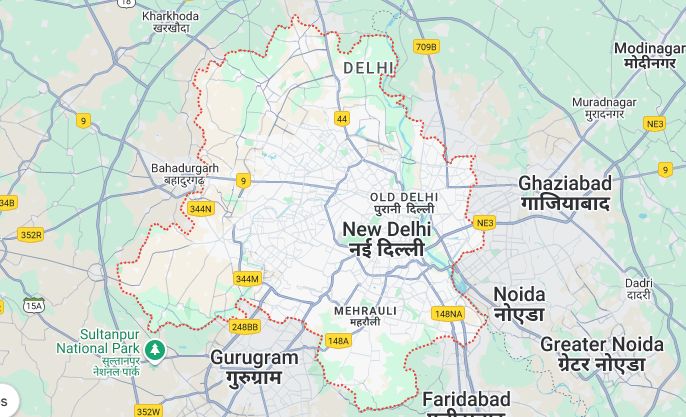 History & Heritage: Ancient Roots: Delhi's history stretches back over 5,000 years, with evidence of communities thriving there during the Indus Valley Civilization. Indraprastha: It is traditionally associated with the legendary city of Indraprastha from the Mahabharata. Capital of Empires: For centuries, Delhi served as the capital of major empires, including the Delhi Sultanate and the Mughal Empire. UNESCO World Heritage Sites: The city boasts three UNESCO World Heritage Sites from these periods: the Qutub Minar, Humayun's Tomb, and the Red Fort. British Influence: The British shifted the capital of British India from Calcutta to Delhi in 1911, and New Delhi was inaugurated in 1931. Capital of Independent India: After India gained independence in 1947, New Delhi remained the capital. Culture & Diversity: Delhi is a diverse city with a rich cultural tapestry, drawing people from various Indian states and nearby countries. While Hinduism is the dominant religion, Delhi is home to a significant Muslim and Sikh population. Delhi is a major cultural and educational hub, housing numerous museums, libraries, historical monuments, botanical gardens, and research institutions. Geography & Environment: Delhi's geography is characterized by the Yamuna flood plains and the Delhi ridge. Despite rapid urbanization, Delhi maintains several green spaces, making it one of the greenest cities in the world. However, Delhi also faces the significant challenge of air pollution, which remains a major concern. Significant Facts: Red Fort's History: The Red Fort, a prominent landmark, was originally white. Tallest Brick Minaret: The Qutub Minar is the tallest brick minaret in the world. Asia's Largest Markets: Delhi is home to Asia's largest spice market (Khari Baoli) and wholesale fruit and vegetable market (Azadpur). Unique Museums: Delhi offers a diverse range of museums, including specialized ones like the Sulabh International Museum of toilets and the National Rail Museum. Bahai House of Worship: The Lotus Temple is the only Bahai House of Worship in Asia. Planned City: New Delhi was designed by British architects Sir Edwin Lutyens and Sir Herbert Baker. Oldest Stadiums: The Arun Jaitley Stadium, formerly Feroze Shah Kotla Stadium, is one of the oldest in India. Delhi is a historically rich, culturally vibrant, and economically important city that holds a significant place in India's past and present. |